
If there’s one supplement that often flies under the radar yet consistently appears in women’s health conversations, it’s Coenzyme Q10 (CoQ10). While other ingredients tend to get more attention, CoQ10 plays an essential behind-the-scenes role—especially for women navigating energy shifts, muscle changes, heart health, and hormonal transitions. Here’s why it deserves a closer look.
Energy That Starts at the Cellular Level
CoQ10 is essential for the body’s natural energy production. It resides in the mitochondria, where it helps convert food into usable fuel.
Why CoQ10 matters:
- Natural levels decline with age, starting as early as your 30s
- Lower levels may contribute to fatigue and reduced stamina
- May help support sustained, natural energy

Muscle Support
Muscle health isn’t just about strength, it’s about metabolism, mobility, and long-term vitality.
Why CoQ10 matters:
- Supports energy production within muscle cells
- Helps combat oxidative stress
- May help support age-related muscle loss (sarcopenia), which can begin in the 30s and become more pronounced during perimenopause and menopause
Heart Health + Statin Support
Heart health becomes increasingly important with age. Women taking statins may also have lower CoQ10 levels, as these medications can reduce the body’s natural production.
Why CoQ10 matters:
- Supports energy production in heart muscle cells
- Acts as an antioxidant
- Supports healthy circulation and blood pressure already within a normal range
- May help support muscle comfort and energy in individuals taking statins
Fertility + Hormonal Health Support
Emerging research suggests CoQ10 may play a role in reproductive health and cellular protection.
Why CoQ10 matters:
- Supports egg quality
- Helps combat oxidative stress
- May be beneficial for women with PCOS

A Simple Way to Add CoQ10 Daily
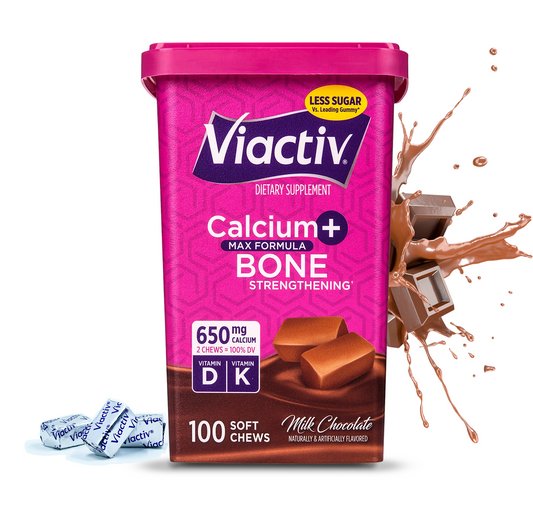
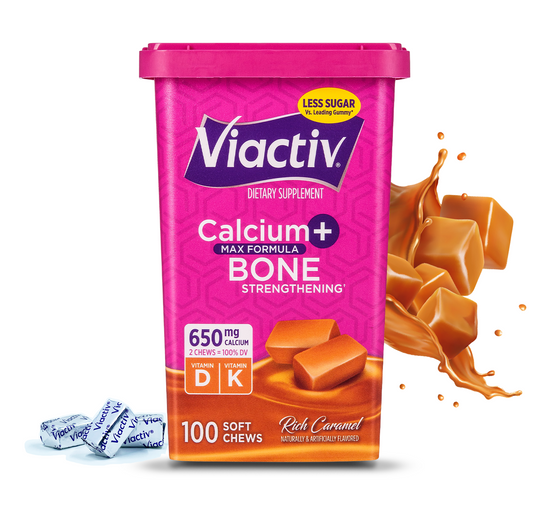
For women looking for an easy, enjoyable way to incorporate CoQ10 into their routine, options like Viactiv’s CoQ10 CARDIO Complete soft chews in a Fruit Fusion flavor offer a convenient and tasty way to help make daily supplementation more consistent.
Sources
NIH Office of Dietary Supplements:
https://www.nccih.nih.gov/health/coenzyme-q10
Mayo Clinic:
https://www.mayoclinic.org/drugs-supplements-coenzyme-q10/art-20362602
Healthline:
https://www.healthline.com/nutrition/coenzyme-q10?utm_source=chatgpt.com#lung-health
Journal of the American College of Cardiology:
https://www.jacc.org/doi/full/10.1016/j.jacc.2007.11.079
WebMD:
https://www.webmd.com/diet/supplement-guide-coenzymeq10-coq10